How Classes Vary Gameplay
Character Classes and Archetypes in Fantasy RPGs
Discover how character classes and archetypes can revolutionize your RPG journey with this essential guide!
Character Classes and Archetypes in Crafting Compelling Narratives
Character classes and archetypes are the foundation of fantasy RPGs, novels, and worldbuilding. From warriors and rogues to mages, healers, and paladins, these roles help define how characters fight, grow, and interact with the world around them.
Whether you’re exploring classic fantasy classes for your next game, building memorable heroes for a story, or looking for inspiration from the world of Evania, understanding these archetypes can help shape stronger characters and more compelling narratives.
Below, we break down the most popular RPG classes, their roles, and the playstyles they suit best, while also showing how these fantasy character archetypes come to life in Dungeon Lords: Fate of Evania.
Love exploring fantasy classes and RPG archetypes?
TL;DR
- Fantasy classes define character roles like warriors, mages, rogues, and healers.
- Each archetype serves a unique purpose in combat, support, stealth, magic, or leadership.
- This guide compares the most popular RPG classes by role and best use case.
- Includes examples from the world of Evania to show how these archetypes come to life in story and gameplay.
Understanding Character Classes
Class Roles
Character classes define a player’s abilities, strengths, and weaknesses in games. They shape how players interact with the game world and other characters. Each class offers a unique way to tackle challenges.
Players choose classes based on their preferred playstyle. Some enjoy the direct combat of warriors, while others prefer the strategic depth of mages and magic (magick? majick? However your favorite game spells it). This choice heavily influences their gaming experience.
Diversity
Fantasy RPGs boast a wide array of character classes. From stealthy rogues to powerful sorcerers, each class brings something special to the table. This diversity allows for rich team dynamics and varied gameplay. We go more into different types of character archetypes in the section below.
That said, games often combine traditional archetypes with innovative classes. This blend keeps the genre fresh and exciting for players. It encourages experimentation and strategy in team composition.
Historical Evolution
The concept of character classes has evolved significantly since early fantasy RPGs. Initially, options were limited, often sticking to basic archetypes like warrior, mage, and rogue. As games developed, so did the complexity and variety of classes.
Modern video games now feature an expansive range of character classes. These not only include classic fantasy character roles but also hybrid and unique classes tailored to specific game universes. This evolution reflects the growing creativity and ambition within game design.
Exploring Archetypes in RPGs
Warrior Class
Warriors dominate the front line in fantasy RPGs. They excel in melee combat, using swords and shields to protect allies and defeat enemies. This archetype’s resilience makes them indispensable in battles against formidable foes.
Players choose warriors for their straightforward playstyle. They find satisfaction in standing between danger and their team, acting as a sturdy shield.
Mage Class
Mages wield powerful magic, casting spells to attack from a distance. They often serve as the group’s strong spellcaster, unleashing elemental fury on opponents or using enchantments to control the battlefield.
The allure of mages lies in their ability to shape the course of battle with just a few words. Fans of strategy enjoy calculating the perfect moment to deploy their devastating spells.
Rogue Class
Rogues thrive in shadows, utilizing stealth and precision to outmaneuver adversaries. Their toolkit includes traps, poisons, and sneak attacks, making them experts at dealing damage unnoticed.
Gamers gravitate towards rogues for the thrill of outsmarting their enemies. The rogue’s playstyle offers a unique blend of cunning and agility that appeals to those who prefer subtlety over brute force.
Healers
Healers play a crucial role by keeping teammates alive with healing spells. Whether through restoring health points or curing ailments, their presence ensures the party can withstand prolonged encounters.
Players drawn to healers enjoy the responsibility of supporting others. They find fulfillment in enabling their team’s success through careful management of resources and timely intervention.
Breaking Down Class Types
Those above and below are not an extensive list, but it covers the majority of character classes:
Classic Combat Classes
- Warrior: Warriors are frontline fighters who rely on strength, armor, and melee combat to protect allies and overpower enemies.
- Knights: Heavily armored fighters dedicated to justice, loyalty, and valor.
- Rangers: Skilled in archery and survival, often with animal companions.
- Paladins: Holy warriors with divine powers, blending combat with healing.
- Barbarians: Fierce warriors known for their rage and unmatched physical prowess.
- Berserker: Fierce warriors fueled by rage, excelling in brutal melee combat.
- Archers: Expert marksmen, skilled in precision and adaptability, hitting targets with deadly accuracy.
- Monks: Martial artists who channel mystical energy to enhance their physical abilities.
Magic & Spellcasting Classes
- Mage: Mages wield powerful arcane magic from a distance, using spells to deal damage, control enemies, and shape the battlefield.
- Wizards: Arcane scholars wielding powerful spells, masters of magical knowledge and strategy.
- Clerics: A divine spellcaster specializing in healing and protection.
- Priests: Divine spellcasters focused on healing, support, and moral guidance.
- Necromancers: Masters of death magic, able to summon and control the undead.
- Bards: Musical spellcasters who use songs to inspire allies or demoralize foes.
- Druids: Shape-shifters with a deep connection to nature and elemental magic.
- Illusionist: Magic wielders who create captivating illusions to deceive and outsmart their foes.
- Sorcerers: Innate spellcasters with a natural ability to harness magical energy.
- Warlocks: Spellcasters who derive their powers from pacts with otherworldly beings.
- Witch: Spellcasters with nature’s wisdom, wielding magic for healing or curses.
- Inquisitor: Relentless seekers of truth, wielding divine power against darkness.
- Witch Doctor: Spiritual spellcasters who summon spirits and wield powerful curses.
- Death Knights: Undead warriors wielding dark magic, blending combat with necromancy.
- Elementalist: Masters of elemental magic, wielding fire, ice, and storm powers.
Stealth & Precision Classes
- Rogue: Rogues excel in stealth and mobility, using cunning tactics, traps, and precise attacks to eliminate foes unnoticed.
- Assassins: Experts in stealth and precise, lethal strikes, often with a focus on poisons.
- Spellthief: Cunning rogues skilled in stealth and magic, adept at stealing spells.
- Scouts: Stealthy explorers skilled in reconnaissance and survival tactics.
- Shadowdancers: Agile masters of stealth, blending magic and shadow for ambushes.
- Thieves: Stealthy tricksters skilled in deception, lockpicking, and manipulation.
- Tricksters: Cunning manipulators skilled in stealth, deception, and surprise tactics.
Support & Leadership Classes
- Healer: Healers specialize in recovery and support magic, restoring health and strengthening allies during combat.
- Artificers: Inventive spellcasters crafting magical items and enhancing technology.
- Beastmaster: Guardians of the wild, forming unbreakable bonds with powerful beasts.
- Summoners: Magic users who conjure powerful allies to aid in battle.
- Engineers: A problem-solving innovator who designs practical solutions.
- Dancers: Graceful combatants blending magic and movement to inspire and support.
- Tactician: Strategic masterminds leading allies with careful planning and foresight.
- Alchemists: Chemist and magician known for transforming elements into potent elixirs.
- Shaman: Mystical mediators who heal, summon spirits, and wield nature’s forces.
- Gunslinger: Precision marksmen wielding firearms, excelling in tactical ranged combat.
- Saint: Holy champions who blend healing, guidance, and moral strength.
- Arcane Archer: Masterful archers who blend magic with precision, striking from afar.
- Psion: Psychic manipulators using mental powers to control minds and environments.
Use this quick fantasy class comparison table to see which archetypes fit your preferred playstyle, role, and strategy.
Compare Fantasy Classes by Role
| Class | Role | Best For |
|---|---|---|
| Warrior | Frontline Melee | Beginners, Tanking |
| Knight | Defensive Tank | Protection, Leadership |
| Ranger | Ranged Combat / Survival | Precision, Exploration |
| Paladin | Combat / Healing | Support Tank, Holy Warrior |
| Barbarian | Heavy Damage | Aggressive Melee |
| Berserker | Burst Melee DPS | High Risk Combat |
| Archer | Ranged DPS | Precision Attacks |
| Monk | Martial / Mystic | Mobility, Hybrid Combat |
| Mage | Ranged Spellcaster | Strategy, Magic Damage |
| Wizard | Arcane Scholar | Spell Variety |
| Cleric | Healing / Protection | Support Teams |
| Priest | Divine Support | Healing, Guidance |
| Necromancer | Dark Magic | Summons, Control |
| Bard | Buff / Debuff | Team Support |
| Druid | Nature Magic | Hybrid, Shapeshift |
| Illusionist | Control / Deception | Tactical Players |
| Sorcerer | Innate Magic DPS | Raw Spell Power |
| Warlock | Dark Pact Magic | Risk / Reward Builds |
| Witch | Nature / Curse Magic | Healing or Hexes |
| Inquisitor | Divine Offense | Anti-Darkness Combat |
| Witch Doctor | Spirit Magic | Curses, Summons |
| Death Knight | Dark Melee Hybrid | Tank + Necromancy |
| Elementalist | Elemental Magic | Fire, Ice, Storm |
| Rogue | Stealth DPS | Advanced Players |
| Assassin | Burst Stealth Damage | Ambushes, Poisons |
| Spellthief | Stealth / Magic | Hybrid Utility |
| Scout | Recon / Survival | Exploration |
| Shadowdancer | Stealth / Magic | Mobility, Ambush |
| Thief | Utility / Deception | Stealth, Lockpicking |
| Trickster | Deception / Chaos | Creative Playstyles |
| Healer | Support / Recovery | Team Play |
| Artificer | Crafting / Utility | Inventors, Builders |
| Beastmaster | Companion Support | Animal Allies |
| Summoner | Conjuration | Summoned Allies |
| Engineer | Utility / Tactical | Problem Solving |
| Dancer | Buff / Support | Team Inspiration |
| Tactician | Leadership / Strategy | Command Roles |
| Alchemist | Potions / Utility | Crafting, Support |
| Shaman | Spiritual / Nature | Healing, Spirits |
| Gunslinger | Ranged Precision | Tactical Combat |
| Saint | Holy Support | Healing, Leadership |
| Arcane Archer | Magic Ranged DPS | Precision + Magic |
| Psion | Psychic Control | Mental / Tactical Play |
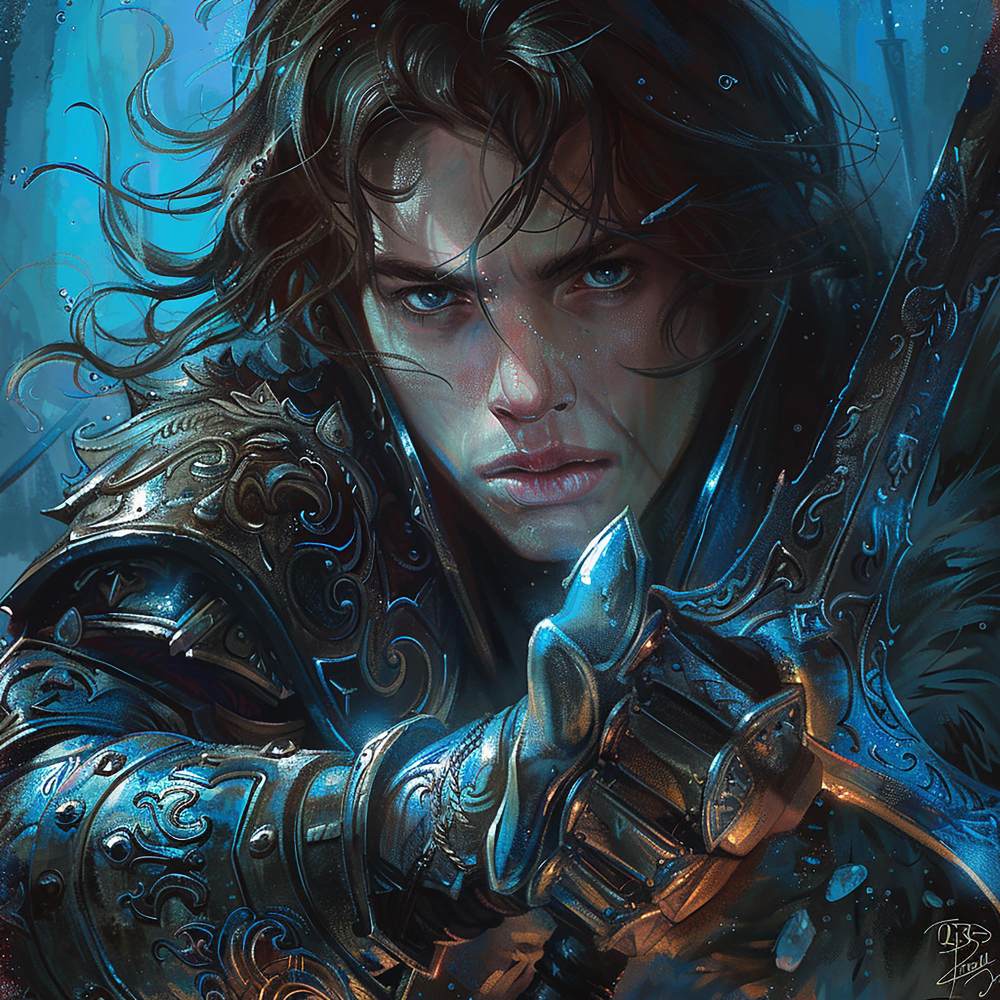
Fantasy warrior in ornate armor wielding detailed sword underwater
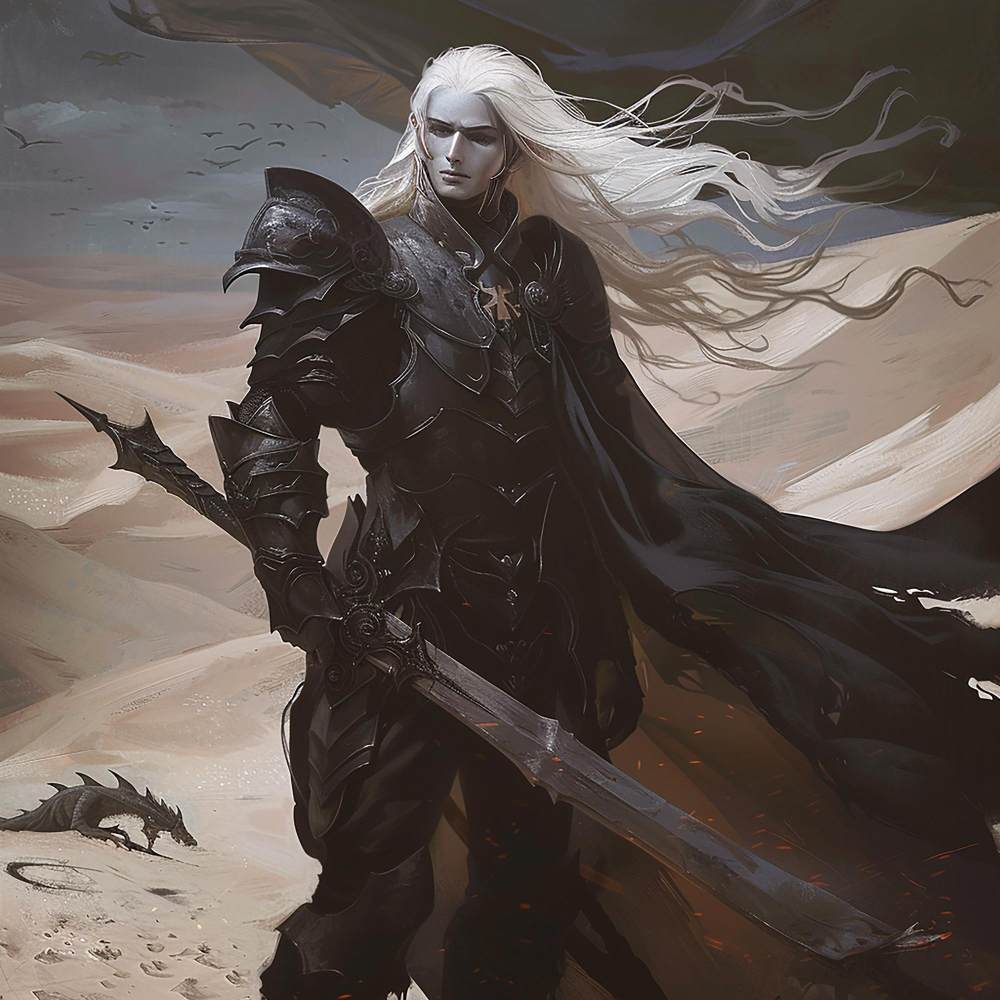
Dark armored death knight with sword in desolate fantasy landscape
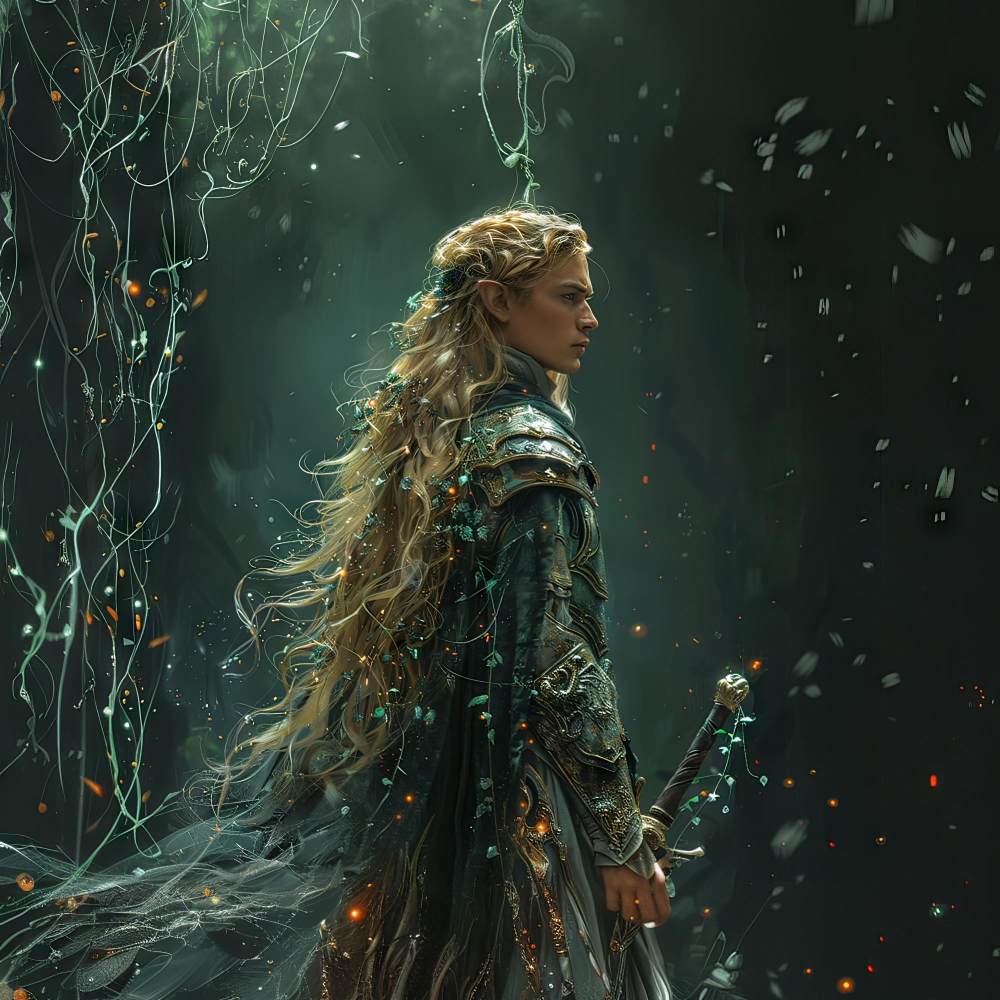
Male elf warrior with flowing hair and ornate armor in forest
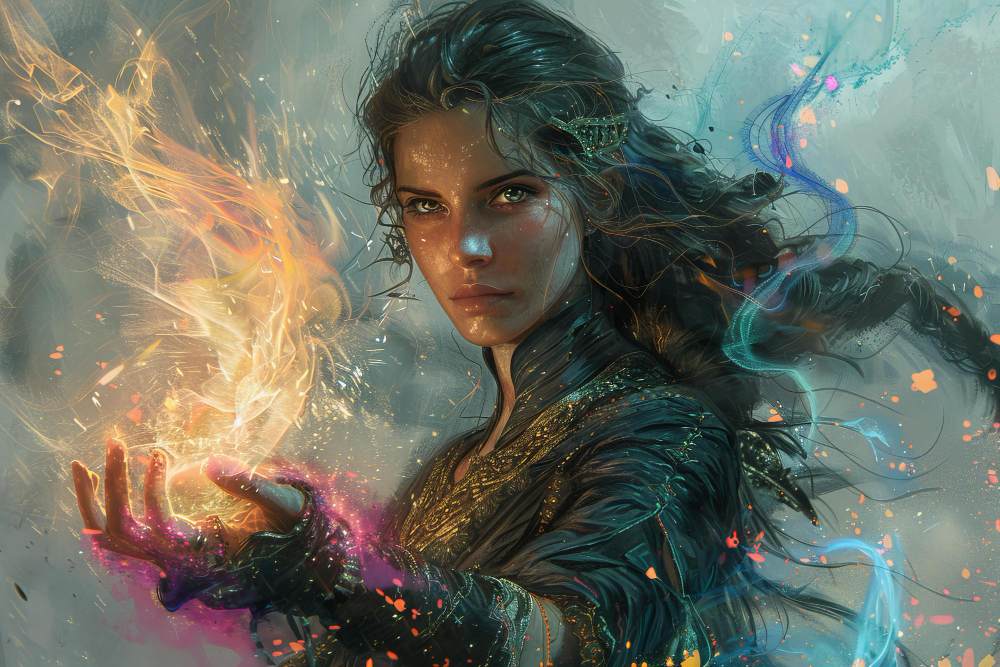
Female mage casting magical fire spell with glowing energy effects
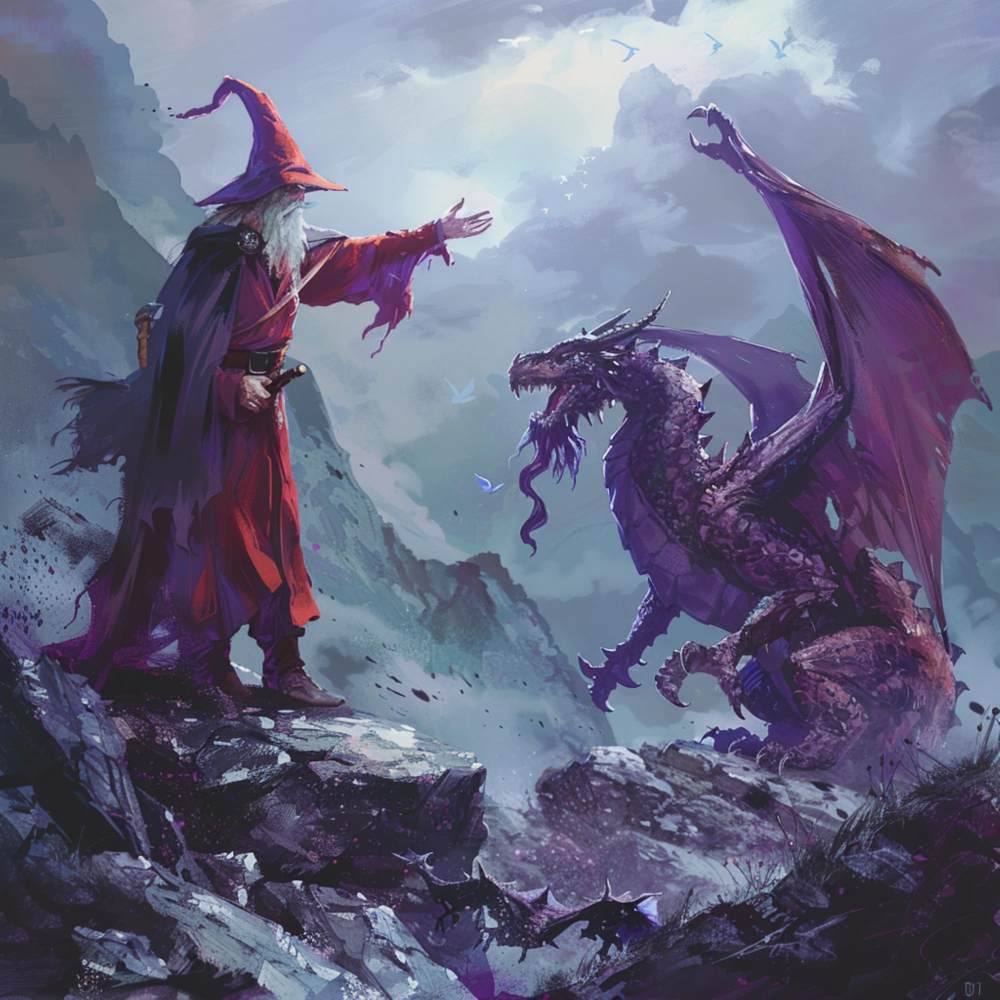
Wizard in red robe commanding purple dragon on rocky mountain cliff
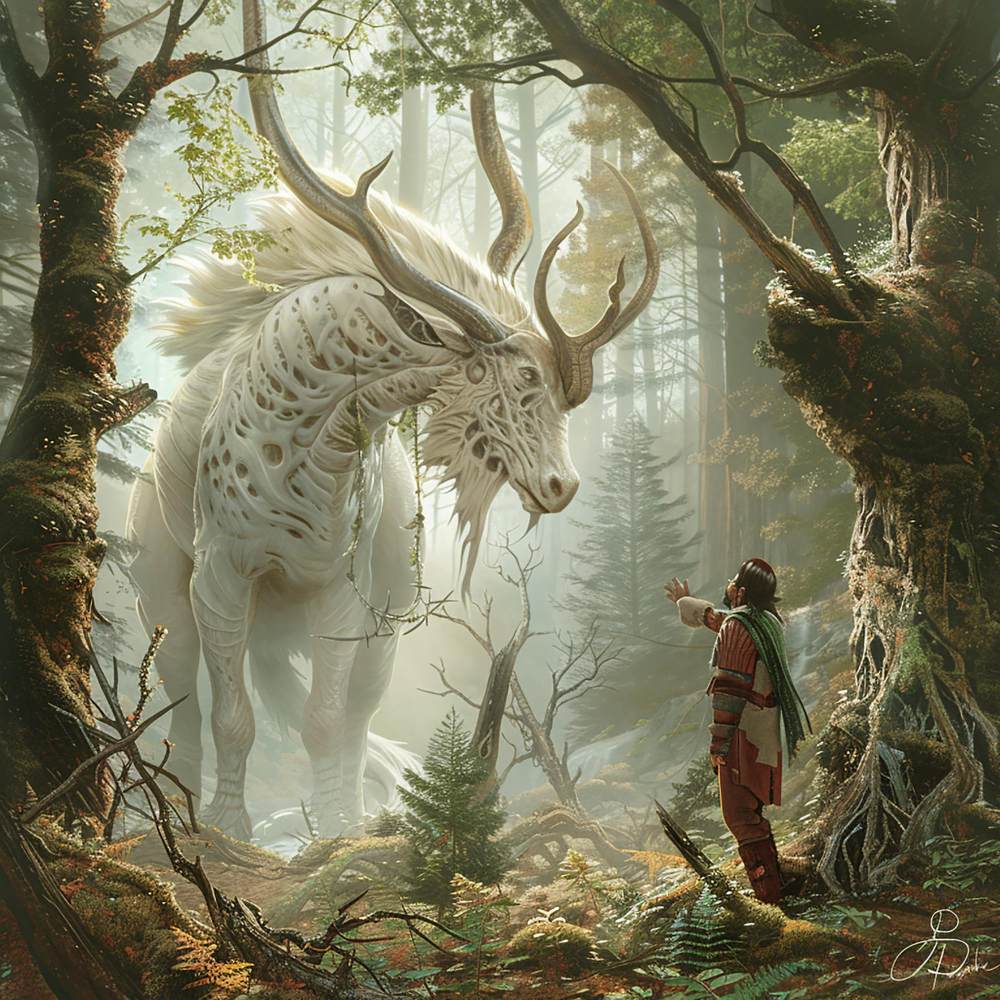
Fantasy beastmaster commanding mystical forest creature with antlers
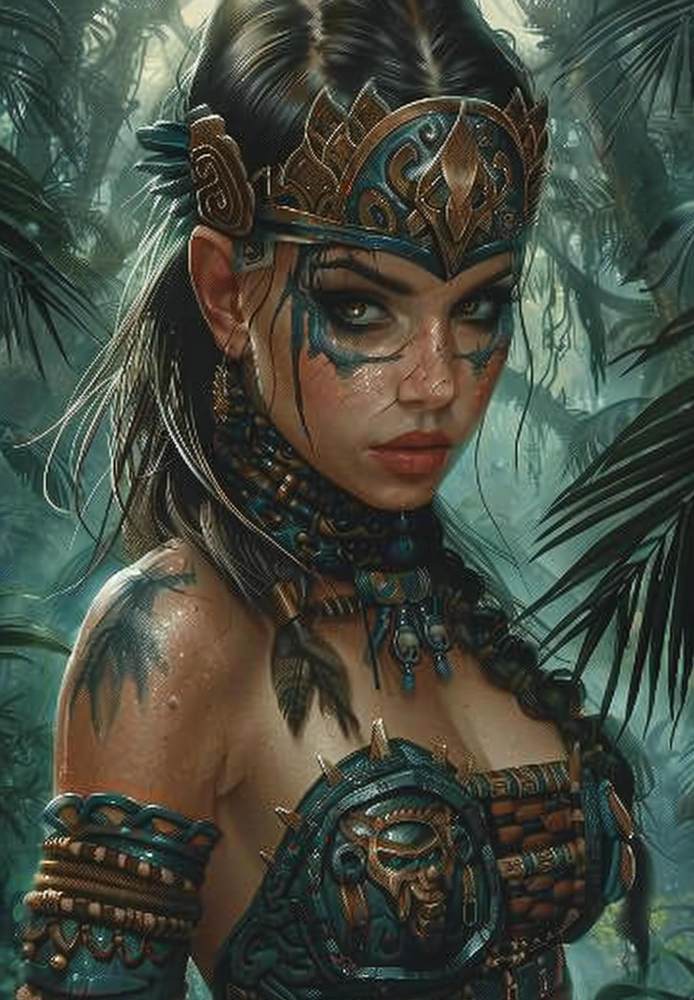
Female druid in tribal attire surrounded by dense jungle foliage
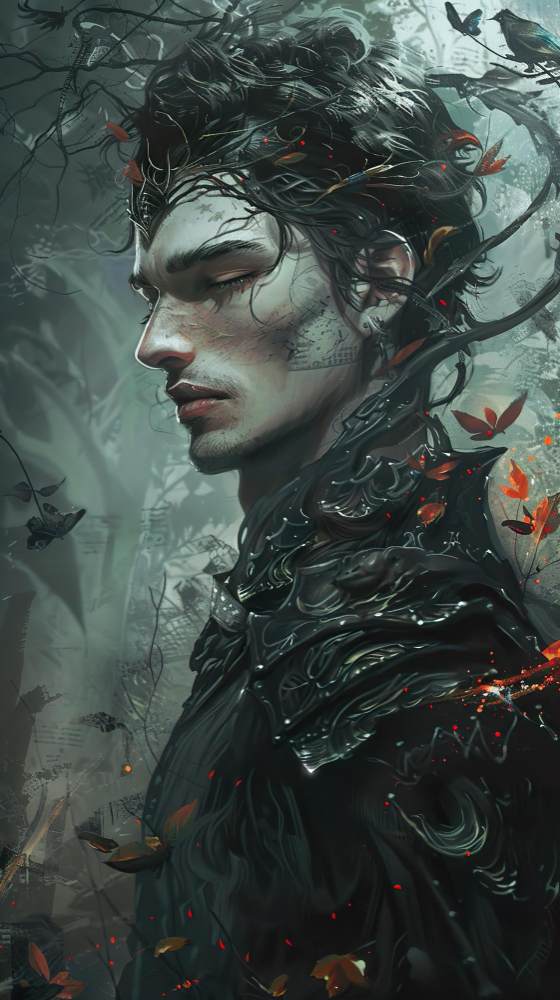
Dark male necromancer with twisted armor and glowing red leaves
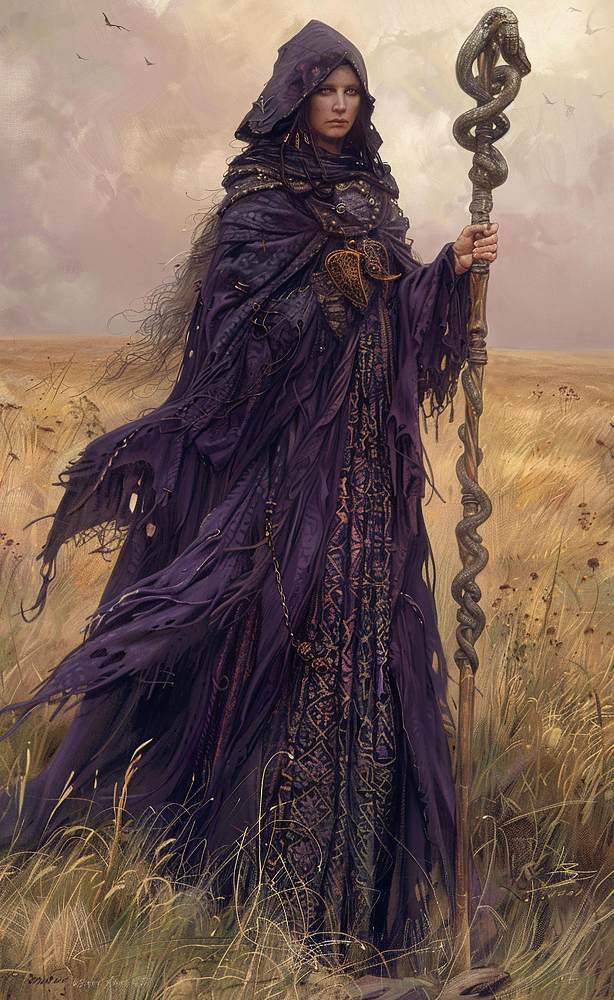
Dark robed mage holding serpent staff in windswept field
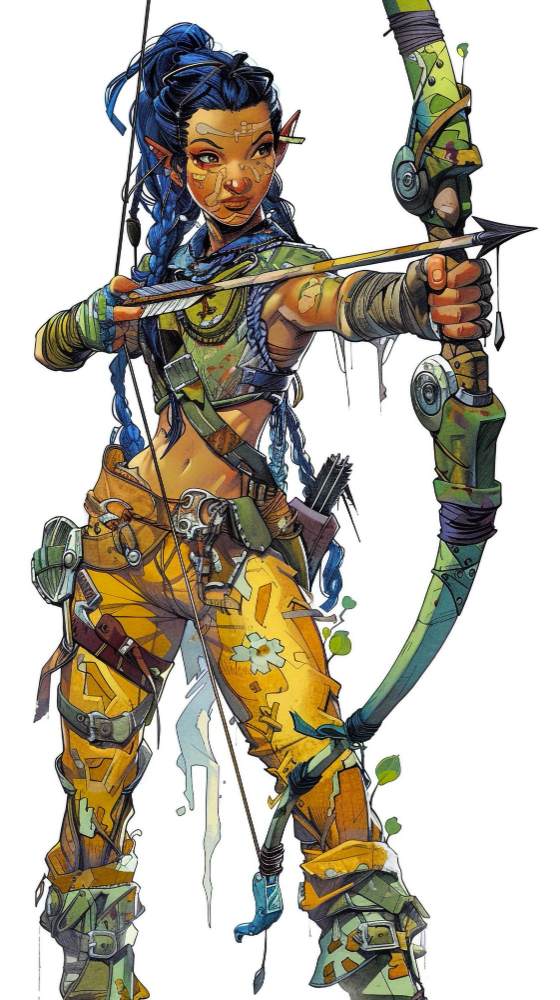
Female fantasy archer aiming bow with green and yellow armor
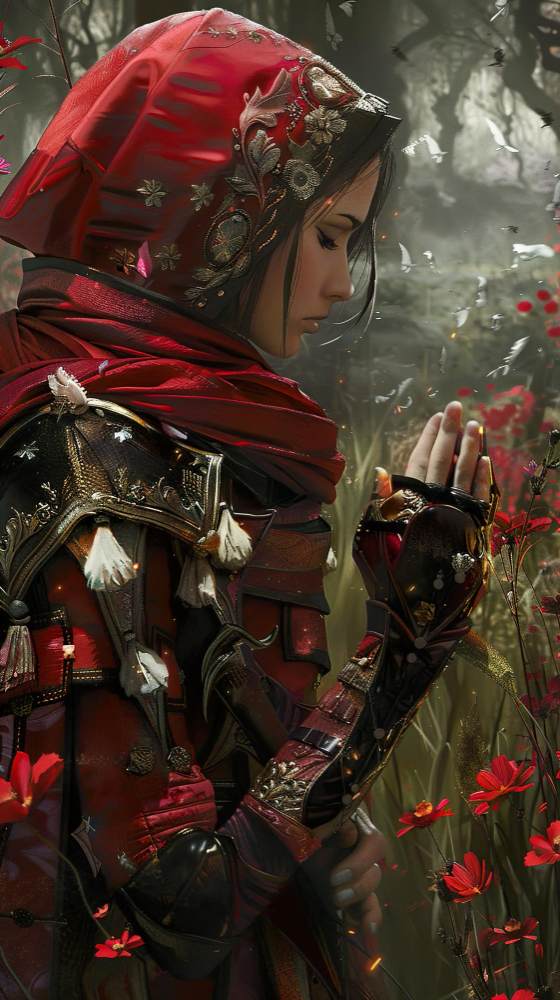
Female ranger in detailed red armor with forest flowers background
All images are from real artists and obtained via FreePik
Fantasy Classes in the World of Evania
Classes and archetypes were at the forefront of my mind as I was designing the world of Dungeon Lords.
If you know anything about how the story came to be, you’ll now that the world of Evania was first brought to life in the form of a Fate Core RPG as I was developing the plot for book one.
It was my goal to have people start playing the characters as a blank slate, and by the end of the “first adventure”, or book 1, they would get a chance to chose their own class as a mystical entity gives them a choice. That way people could just live in the skin of the character they embodied to see what felt right for them before diving right into a class from the start.
That said, book one is now complete, and each of the five main characters have a set of classes that fit their personality (though some hybrid classes exist, and the potential for class changes is ever prevalent.
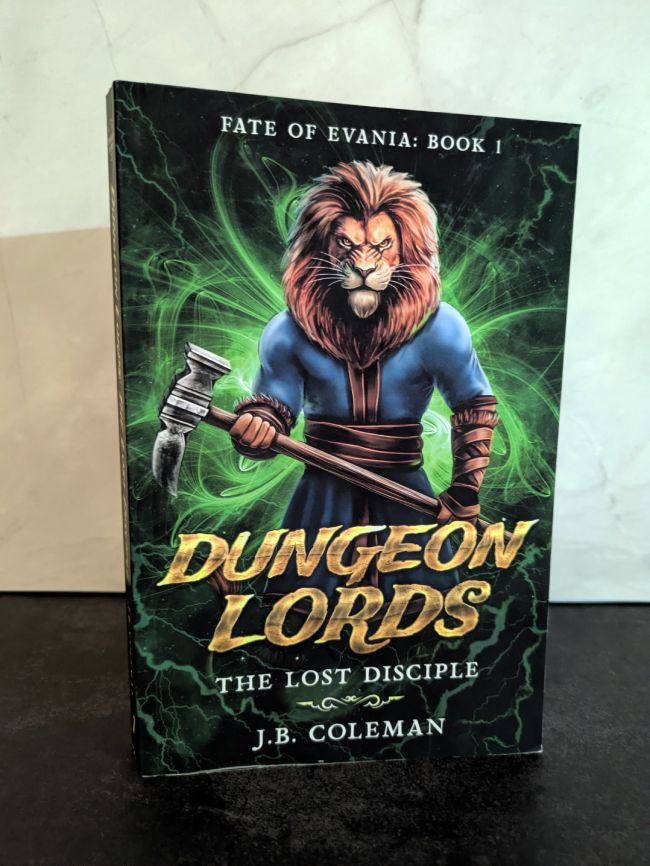
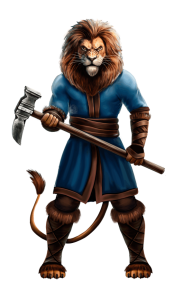 Faro: Faro is your classic warrior from the get-go. He and his war hammer are a formiddable force on the battle field against Shadruul and magic-wielders alike. As the story progresses he takes on more the role of a paladin: protector of Solana and all who need him.
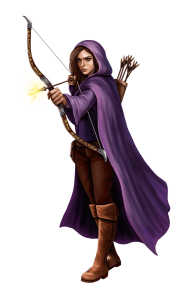 Lena: Lean joins the story as an elven archer. It’s a classic start to her character, but as the story progresses, we find her wielding magic in new and exciting ways, even despite her isues with magic in the past.
Tobi: Tobi starts out as an a barbarian with a temper. This eventually leads him to being a berserker.
Thora: Thora is great with blunt objects. She’s heavy on survival in her life, and shows many qualities of a barbarian like her father. Her underlying kindness and love for animals eventually puts her in the category of beastmaster.
Mathias: Mathias is a healer through and through. What type of healer he will be in the end remains to be seen. Originally swearing off magic and sticking to herbal remedies, he later realizes the merit of magical healing and sets out on the path to get the powers to obtain it.
Class Roles and Gameplay Impact
Team Dynamics
Class roles significantly influence team dynamics in multiplayer games. Players often select classes based on their preferred gameplay style, whether it’s engaging enemies head-on, supporting teammates from the background, or employing strategic maneuvers to outwit opponents. The balance between offensive, defensive, and support roles is crucial for a well-rounded team capable of facing any challenge.
A balanced team can exploit enemies’ weaknesses more effectively. For instance, while a tank class draws enemy fire, damage dealers can focus on eliminating threats, supported by healers who ensure everyone stays in the fight longer.
Class Synergy
The importance of class synergy cannot be overstated in achieving victory. Games designed with diverse character classes encourage players to think critically about how their abilities complement those of their teammates. This strategic depth adds a layer of complexity and satisfaction to gameplay that goes beyond mere individual performance.
Successful teams coordinate their archetypes to create powerful combos against adversaries. This coordination often leads to memorable victories that highlight the strength of teamwork over solo efforts.
Hybrid Classes
Hybrid classes present unique challenges and rewards. They blend elements from traditional roles, offering versatility but requiring mastery over a broader set of skills. Players drawn to these classes enjoy the flexibility to adapt to various situations without being confined to a single fantasy character role.
However, mastering a hybrid class demands an understanding of multiple aspects of gameplay. It offers a rewarding experience for those willing to invest the time and effort into honing their skills across different domains.
Specialization and Skills
Skill Trees
Skill trees offer a roadmap for character development. Players start with basic abilities. Over time, they unlock more complex skills. This process is crucial for tailoring characters to specific playstyles.
Choosing the right path in a skill tree can lead to unique specializations. For instance, a character might focus on melee combat with enhanced strength and speed. Another might prioritize spells for long-range attacks.
Equipment Choices
Equipment plays a vital role in specialization. Swords, rare items, and defensive gear allow players to fine-tune their characters’ strengths. Selecting the right equipment can exploit an enemy’s weakness or enhance a character’s unique abilities.
Players often seek items that complement their chosen skills. A sword that boosts melee damage or armor that increases defense makes a significant difference in combat effectiveness.
Advanced Abilities
As characters progress, they unlock advanced abilities. These skills often define a character’s role within a group. Some may gain minimum healing abilities, while others achieve insane speed or powerful spells.
The acquisition of these abilities requires strategic decisions over time. Players must consider their team’s needs and the types of enemies they face. Advanced skills also introduce new gameplay dimensions, making each encounter more dynamic.
Choosing Your Path
Class Selection
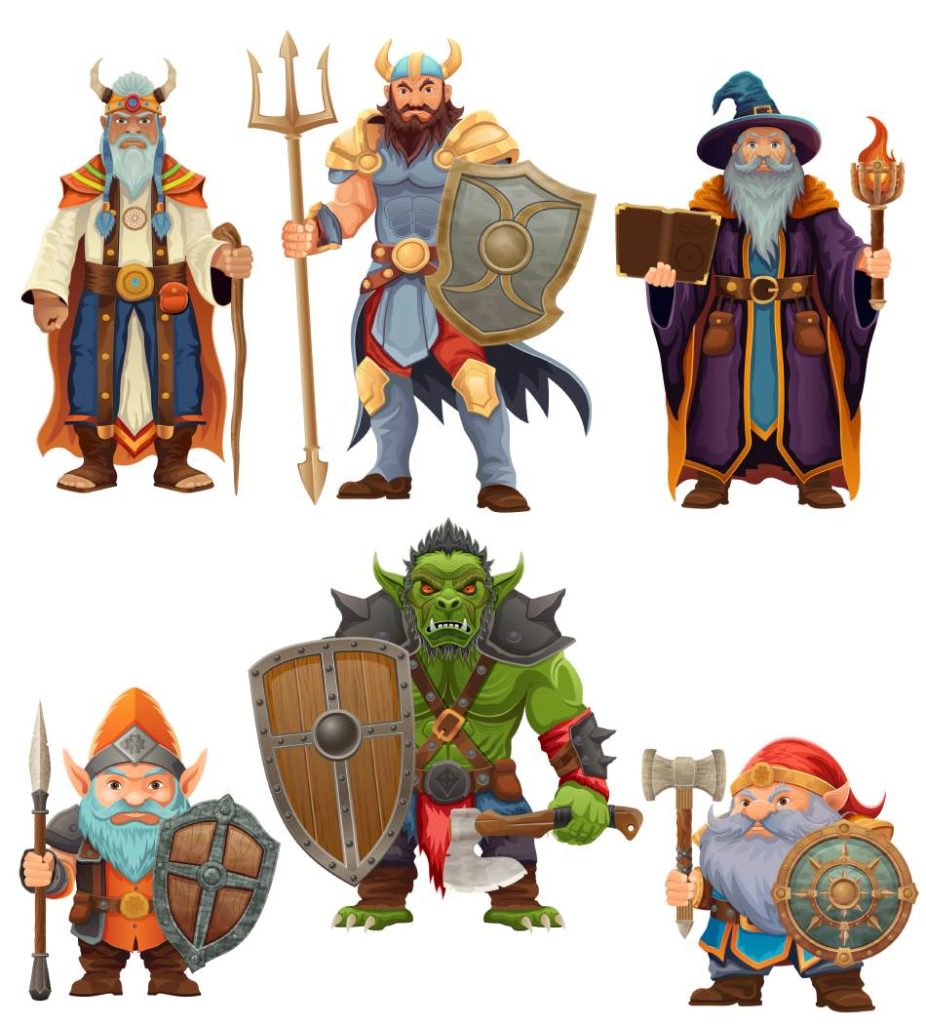
Selecting the right character class and archetype is crucial for your journey in any RPG. It shapes how you interact with the story, party, and the natural world around you.
For those drawn to healing and support, classes like clerics or druids connect deeply with the fantasy of nurturing allies and harnessing the powers of the natural world. Their role is vital, keeping teammates alive through challenging encounters.
Players fascinated by stealth and precision might find assassins or rogues compelling. These classes excel in unlocking old locks, navigating dark elements, and eliminating targets efficiently. They bring a thrilling edge to gameplay, often turning the tide of battle with a well-placed strike.
Experimentation
It’s essential to experiment with different types of archetypes. This exploration can reveal what truly hooks you into a game’s reality.
Trying out various classes helps identify which playstyle feels most natural and enjoyable. Whether it’s wielding a mighty sword or mastering arcane arts, each class offers a unique way to experience the game world.
Long-Term Impact
Your choice has long-term implications on enjoyment and satisfaction. It influences replayability and how you interact with the community.
A well-chosen class aligns with your preferred playstyle, ensuring every gaming session remains engaging. It also fosters connections within the gaming community, as players often seek out others who complement their abilities in party compositions.
Closing Thoughts
Diving into character classes and archetypes isn’t just about picking a role; it’s about shaping your journey in RPGs.
You’ve seen how each class offers unique gameplay, from frontline bruisers to strategic support. Your choice influences not only your play style but also how you interact with the game world and fellow players. Specialization and skills further tailor this experience, making your character truly yours.
Choosing your path is more than a decision—it’s a statement of how you want to tackle challenges and adventures ahead.
Now, take this knowledge, pick your class, and dive headfirst into your next RPG adventure. Remember, the right combination of class and archetype can turn an ordinary experience into an extraordinary one. Don’t just play; immerse yourself in the role that calls to you.
Ready for the challenge? Let’s make your next game unforgettable.
Frequently Asked Questions
What are character classes in RPGs?
Character classes in RPGs define the abilities, strengths, and roles a character can play within the game. They determine how a character interacts with the world and other players, guiding their gameplay style.
How do archetypes influence RPG characters?
Archetypes in RPGs serve as foundational templates for characters, influencing their motivations, behaviors, and roles within the story. They help players connect with their characters on a deeper level by providing familiar patterns of personality and action.
Can you change your class or specialize further in RPGs?
Yes, many RPGs allow for class specialization or changing classes as you progress. This enables players to tailor their gameplay experience to their preferences, often unlocking unique skills and abilities.
Why is choosing the right class important in RPGs?
Choosing the right class affects your gameplay experience significantly. It determines your role in team dynamics, your effectiveness in combat, and how you interact with the game world. Matching your class with your preferred playstyle enhances enjoyment and success.
How do class roles impact gameplay in multiplayer RPGs?
Class roles are crucial in multiplayer RPGs as they dictate team composition and strategy. Each class has unique contributions, such as tanking damage, healing allies, or dealing damage, which work together to overcome challenges efficiently.
What factors should I consider when choosing my path in an RPG?
When choosing your path in an RPG, consider your preferred playstyle (e.g., melee vs. ranged), the role you enjoy playing in a team (e.g., leader vs. support), and what gameplay mechanics you find most fun (e.g., crafting vs. combat).
How does specialization affect my character’s development?
Specialization allows for deeper customization of your character’s skills and abilities, focusing on a specific path that enhances certain aspects of gameplay like combat effectiveness or support capabilities. It can greatly impact your strategy and role within the game.
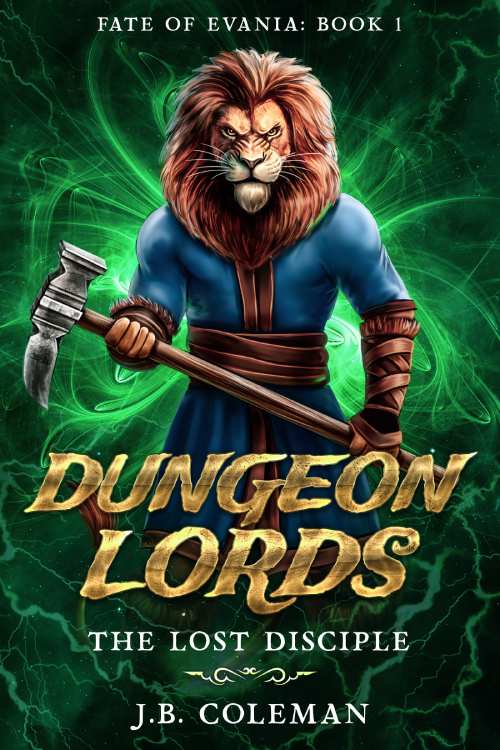
See Which Fantasy Class You’d Become in Evania
Meet Faro, Lena, and the heroes who bring these archetypes to life.